Nicotinamide Mononucleotide (NMN) - CAS 1094-61-7
Product Name: Nicotinamide Mononucleotide (NMN)
INCI Name: NICOTINAMIDE MONONUCLEOTIDE
CAS Number: 1094-61-7
Molecular Formula: C₁₁H₁₅N₂O₈P
Molecular Weight: 334.22 g/mol
Product Grade: Cosmetic grade / High purity grade
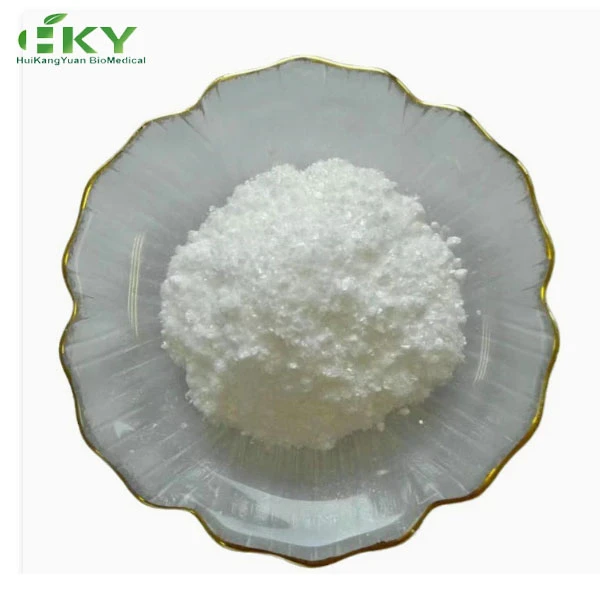
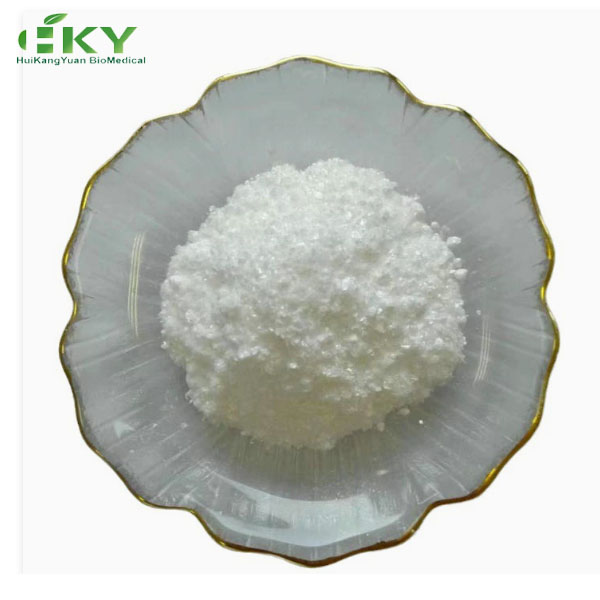
Appearance: White to off-white crystalline powder
Odor: Odorless or slight characteristic odor
Product Purity (Assay): ≥99.0% (standard grade)
Shelf Life: 24 months in original sealed packaging under proper storage conditions (cool, dry, dark)
Storage: Store in cool, dry, well-ventilated area, keep tightly sealed, protect from light, moisture, and heat; recommended storage temperature below 25°C; for long-term storage, refrigeration at 2–8°C is preferred
Nicotinamide Mononucleotide, NMN, beta-Nicotinamide Mononucleotide, NAD+ precursor, anti-aging ingredient, skin rejuvenation, sirtuin activator, DNA repair, antioxidant skincare, cellular energy, anti-photoaging, skin barrier repair, anti-glycation, anti-
Nicotinamide Mononucleotide (NMN) - CAS 1094-61-7
Nicotinamide Mononucleotide (NMN), with INCI name Nicotinamide Mononucleotide and CAS number 1094-61-7, is a cutting-edge anti-aging active ingredient that has revolutionized skincare science. NMN is a naturally occurring nucleotide that serves as the direct, rate-limiting precursor to NAD+ (Nicotinamide Adenine Dinucleotide) – a coenzyme essential for cellular energy metabolism, DNA repair, and the activation of sirtuin "longevity proteins." As skin ages, NAD+ levels decline significantly, impairing cellular energy production, DNA repair capacity, and overall skin health.
NMN addresses this by efficiently replenishing cellular NAD+ levels through the salvage pathway, bypassing the rate-limiting step that limits the efficacy of other NAD+ precursors like niacinamide. Topical application of NMN has been shown to improve skin hydration, enhance elasticity, reduce the appearance of fine lines and wrinkles, protect against UV-induced photoaging, and strengthen the skin barrier. It also exhibits antioxidant, anti-glycation, and anti-inflammatory properties that work synergistically to promote comprehensive skin rejuvenation.
Key Benefits
• Direct NAD+ precursor: boosts cellular energy metabolism
• Powerful anti-aging: reduces fine lines and wrinkles
• Anti-glycation: prevents glycation-related skin aging
• Anti-inflammatory: soothes and calms irritated skin
• Strengthens skin barrier, improves hydration
• Enhances skin elasticity and firmness
• Supports collagen synthesis for dermal remodeling
Applications
• Anti-aging serums and essences: Recommended usage 0.5%–2.0%
• Anti-wrinkle creams and lotions: Recommended usage 0.5%–1.5%
• Brightening serums and treatments: Recommended usage 0.3%–1.0%
• Barrier repair serums and creams: Recommended usage 0.3%–1.0%
• Eye serums and eye creams: Recommended usage 0.2%–0.5%
• Day protection creams and lotions: Recommended usage 0.3%–1.0%
• Night repair serums and treatments: Recommended usage 0.5%–2.0%
• Hydrating serums and moisturizers: Recommended usage 0.2%–1.0%
• Men's anti-aging skincare: Recommended usage 0.5%–1.5%
• Facial mask essences and sheet masks: Recommended usage 0.5%–1.5%
Certificate Of Analysis (COA)
Test Item | Standard Requirement | Test Result | Test Method |
Appearance | White to off-white crystalline powder | Complies | Visual inspection |
Odor | Odorless or slight characteristic | Complies | Organoleptic |
Assay (Purity) | ≥99.0% | 99.6% | HPLC |
Water Content | ≤1.0% | 0.35% | Karl Fischer titration |
pH (1% solution) | 2.0–3.5 | 2.8 | pH meter |
Specific Optical Rotation | -38° to -42° | -40.2° | Polarimetry |
Melting Point | ~160°C (decomposition) | 158–162°C | Melting point apparatus |
Residue on Ignition | ≤0.5% | 0.12% | Gravimetric |
Heavy Metals (as Pb) | ≤10 ppm | <5 ppm | ICP-MS |
Arsenic (As) | ≤2 ppm | <0.5 ppm | ICP-MS |
Lead (Pb) | ≤5 ppm | <1 ppm | ICP-MS |
Cadmium (Cd) | ≤3 ppm | <0.5 ppm | ICP-MS |
Mercury (Hg) | ≤1 ppm | <0.1 ppm | ICP-MS |
Solubility Test | Freely soluble in water | Complies | Visual inspection |
Related Substances | Total impurities ≤1.0% | 0.35% | HPLC |
Residual Solvents | Ethanol ≤5000 ppm | 125 ppm | GC |
Total Aerobic Count | ≤1000 CFU/g | <100 CFU/g | GB 4789.2 |
Mold & Yeast | ≤100 CFU/g | <10 CFU/g | GB 4789.15 |
E. coli | Absent | Absent | GB 4789.3 |
Salmonella | Absent | Absent | GB 4789.4 |
Staphylococcus aureus | Absent | Absent | GB 4789.10 |
Conclusion | Complies with specification | ||
Frequently Asked Questions (FAQ)
Q1: What is the difference between NMN and niacinamide (vitamin B3) in skincare?
A: While both are NAD+ precursors, NMN and niacinamide work through different pathways and have different efficacy profiles. Niacinamide needs to go through multiple conversion steps – first to nicotinamide riboside (NR), then to NMN, and finally to NAD+ – and the conversion from niacinamide to NR is the rate-limiting step that slows down the whole process. NMN, on the other hand, is one step closer to NAD+ and bypasses this rate-limiting step, making it a more direct and efficient precursor. In skincare, niacinamide is well-known for its barrier repair, brightening, and sebum-regulating effects, and it works primarily at the epidermal level. NMN, with its smaller molecular weight and direct NAD+ boosting capability, can penetrate deeper into the dermis and has a stronger focus on cellular energy metabolism, DNA repair, and sirtuin activation – which translates to more pronounced anti-aging and anti-wrinkle benefits. Think of it like this: niacinamide is the workhorse with multiple proven benefits but moderate anti-aging potency, while NMN is the premium anti-aging specialist that works at the cellular energy level. They are actually highly complementary and many advanced formulations combine both for comprehensive results – niacinamide for barrier and brightening, NMN for deep cellular anti-aging.
Q2: What concentration of NMN should I use and what results can be expected?
A: The recommended concentration of NMN in cosmetics ranges from 0.1% to 3.0%, depending on the product type and desired efficacy. For basic maintenance and mild anti-aging products, 0.1%–0.3% is sufficient. For standard anti-aging and skin-rejuvenating products, 0.5%–1.0% is the typical and most commonly used range, with 1.0% being the level used in many clinical studies. For high-efficacy concentrated serums and intensive anti-aging treatments, you can use up to 2.0%–3.0%, though concentrations above 1% show diminishing returns in terms of additional benefit. In terms of results, clinical studies with 0.5%–1.0% NMN have demonstrated: significant improvement in skin hydration and barrier function within 2–4 weeks; enhanced skin elasticity and firmness after 4–8 weeks; visible reduction in fine lines and wrinkles (with 1% NMN showing 1.7x anti-wrinkle efficacy vs control); protection against UV-induced photoaging and DNA damage; improved skin texture and radiance; and anti-inflammatory and soothing effects. Results are typically noticeable after 4–6 weeks of regular twice-daily use, with progressive improvement over time. NMN works well in both day and night products and can be combined with other anti-aging actives like peptides, hyaluronic acid, or centella asiatica extract for enhanced results.
Q3: How stable is NMN in formulations and what are the formulation challenges?
A: NMN presents some formulation challenges due to its stability profile, but these can be managed with proper formulation techniques. The main stability concerns are: 1) Heat sensitivity – NMN degrades at high temperatures, so it should be added at low temperatures (below 40°C) after emulsification or at the cool-down phase, not during hot processing. 2) pH sensitivity – NMN is most stable at acidic to neutral pH (pH 3–6 is optimal). It degrades more rapidly at alkaline pH, so avoid formulating at pH above 7 if possible. 3) Moisture sensitivity – NMN powder is hygroscopic and can degrade if exposed to high humidity, so proper raw material storage and handling are important. 4) Aqueous stability – NMN has limited stability in aqueous solutions, with degradation accelerating over time. To improve stability in finished products, you can: use chelating agents like EDTA to bind trace metals that catalyze degradation; add antioxidants like vitamin E or sodium metabisulfite; formulate at slightly acidic pH (pH 4.5–5.5); use appropriate preservatives to prevent microbial degradation; and package finished products in opaque or amber packaging to protect from light. With proper formulation, NMN can maintain good stability throughout a typical 2-year cosmetic product shelf life. Also note that NMN is water-soluble, so it goes into the water phase – no solubilizer is needed for aqueous formulations. For oil-based or anhydrous products, NMN would need to be solubilized or encapsulated.
Contact Us
💌 Contact us today for technical data, formulation guidance, and competitive pricing! E-mail:
You Might Also Like
1.ur Products A full range of high-quality cosmetic raw materials, including plant extracts, natural active ingredients, skin care actives and formulation additives. Stable supply & strict quality control.