Monobenzone Powder(CAS 103-16-2)
Common Name: Monobenzone
Alias: Hydroquinone Monobenzyl Ether, 4-Benzyloxyphenol
CAS Number: 103-16-2
EINECS Number: 203-083-3
Molecular Formula: C₁₃H₁₂O₂
Molecular Weight: 200.23
Standard Purity: Cosmetic Grade ≥99.0%
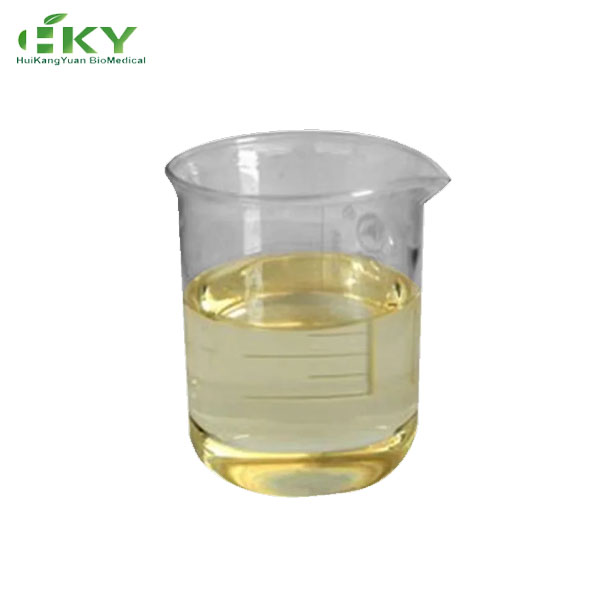
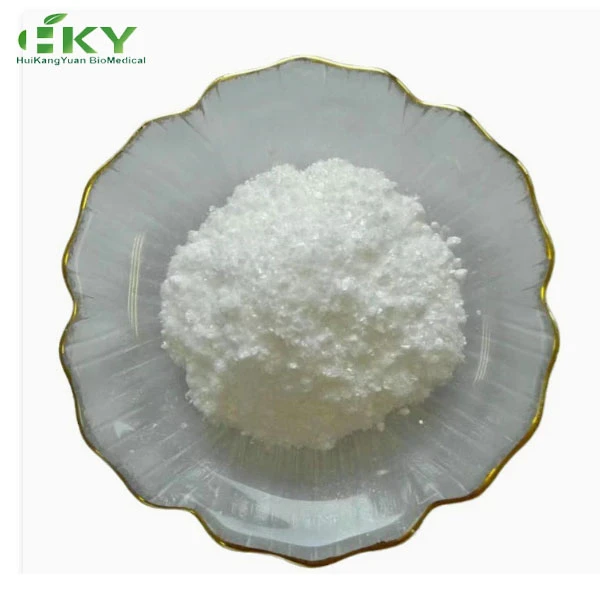
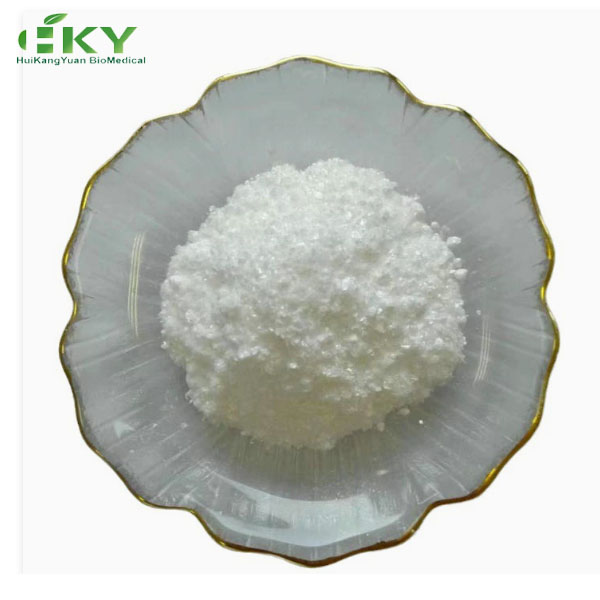
Appearance: Off-white to white crystalline powder, slight characteristic odor
Melting Point: 120℃-122℃
Solubility: Soluble in ethanol, ether, vegetable oil, slightly soluble in hot water, insoluble in cold water
Packaging: 25KG aluminum foil vacuum sealed drum
Storage Condition: Sealed, dark low temperature storage, avoid oxidizing environment and strong ultraviolet ray
Shelf Life: 24 months unopened under standard storage
Core Application: Vitiligo external pharmaceutical preparation, professional depigmentation skincare, hyperpigmentation removal ointment, special medical beauty formula, skin whitening intermediate raw material.
Monobenzone, Monobenzone Powder, 4-Benzyloxyphenol, CAS 103-16-2 Monobenzone, Bulk Monobenzone Powder, Skin Depigmentation Monobenzone, Global Compliant Depigment Ingredient, Hydroquinone Monobenzyl Ether
Monobenzone Powder(CAS 103-16-2)
Monobenzone (CAS 103-16-2) is a high-efficiency phenolic depigmentation active compound, refined by high-purity recrystallization synthesis process. It is a classic melanin inhibitor, acting on melanocyte metabolism to achieve permanent local skin depigmentation. Different from common whitening ingredients, it belongs to EU SCCS regulated special cosmetic additive and FDA-approved external dermatological raw material.
Key Benefits
• Stable chemical property: Anti-photooxidation, keep efficacy under conventional emulsifying temperature
• Good oil solubility: Easy to blend with ointment, cream, oil-based dermatological formula
• Low soluble impurity: Strict residual hydroquinone control, controlled skin irritation
• Global authorized usage: Approved for external dermatology drug and special cosmetic production
Applications
• Special Medical Beauty: Local skin depigmentation care, postoperative pigment correction cream
• Special Cosmetics: Stubborn chloasma removal cream, freckle fading special skincare
• Fine Chemical Intermediate: Synthetic raw material for phenolic whitening derivative
• Skin Repair Products: Post-inflammatory hyperpigmentation targeted repair emulsion
Certificate Of Analysis (COA)
Test Item | Standard Specification | Test Result | Test Method |
Monobenzone Assay | ≥99.00% | 99.38% | HPLC Detection |
Appearance | White to off-white crystalline powder | Qualified | Visual Inspection |
Melting Point | 120.0℃ - 122.0℃ | 121.1℃ | Capillary Melting Point Method |
Free Hydroquinone Residue | ≤0.15% | 0.07% | HPLC Detection |
Loss on Drying | ≤0.25% | 0.10% | Vacuum Drying Method |
Heavy Metal(Pb) | ≤2ppm | 0.8ppm | ICP-MS Test |
Residue on Ignition | ≤0.10% | 0.04% | High-temperature Calcination |
Conclusion | Compliant with FDA Pharma & SCCS Special Cosmetic Standard | Passed | Full Item Factory Inspection |
Frequently Asked Questions (FAQ)
1. What is recommended adding dosage for depigmentation ointment? Standard dosage: 4%-10% for external ointment formulation.
2. Which solvent is best for dissolving monobenzone powder? Caprylic capric triglyceride is the preferred dissolution solvent.
3. Is this ingredient restricted for regular daily cosmetic addition? For special cosmetic use only, banned in ordinary skincare.
4. Do you offer stability test report for long-term formula storage? Official formula stability report can be provided freely.
Contact Us
💌 Contact us today for technical data, formulation guidance, and competitive pricing! E-mail:
You Might Also Like
1.ur Products A full range of high-quality cosmetic raw materials, including plant extracts, natural active ingredients, skin care actives and formulation additives. Stable supply & strict quality control.